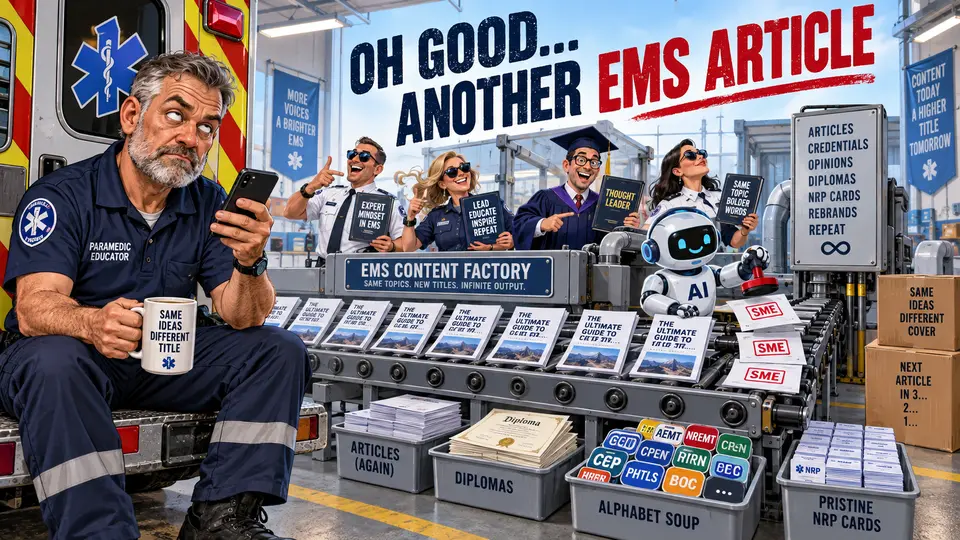
Oh Joy! Yet Another Article by an EMS ‘Expert’
When everyone becomes a subject-matter expert, expertise starts sounding suspiciously like background noise.
Read the full article →The permanent home for the conversations, field lessons, hard truths, and occasional well-earned grumbling that social media will forget by lunchtime.
This is where the Bench Seat conversations stay put after the social-media crowd wanders toward its next shiny object. Browse by subject, choose whatever interests—or irritates—you, and climb in. Some lessons teach, some challenge, and a few may step squarely on your toes. That is usually where the useful conversation begins.
When everyone becomes a subject-matter expert, expertise starts sounding suspiciously like background noise.
Read the full article →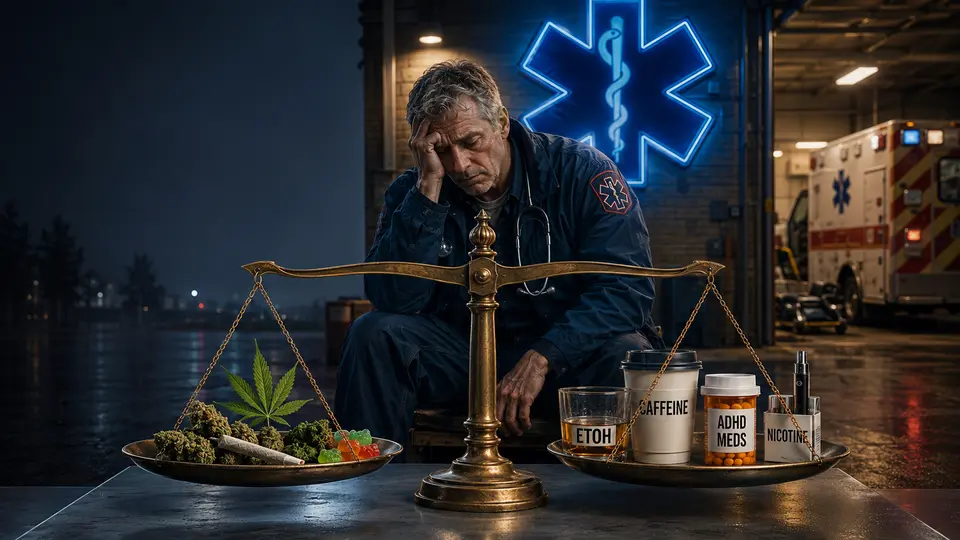
THC, PTSD, and fitness for duty deserve an honest conversation—not a slogan.
Read the full article →
Your affective skills don’t mean a damn thing if you’re a judgmental prick about who gets to have them.
Read the full article →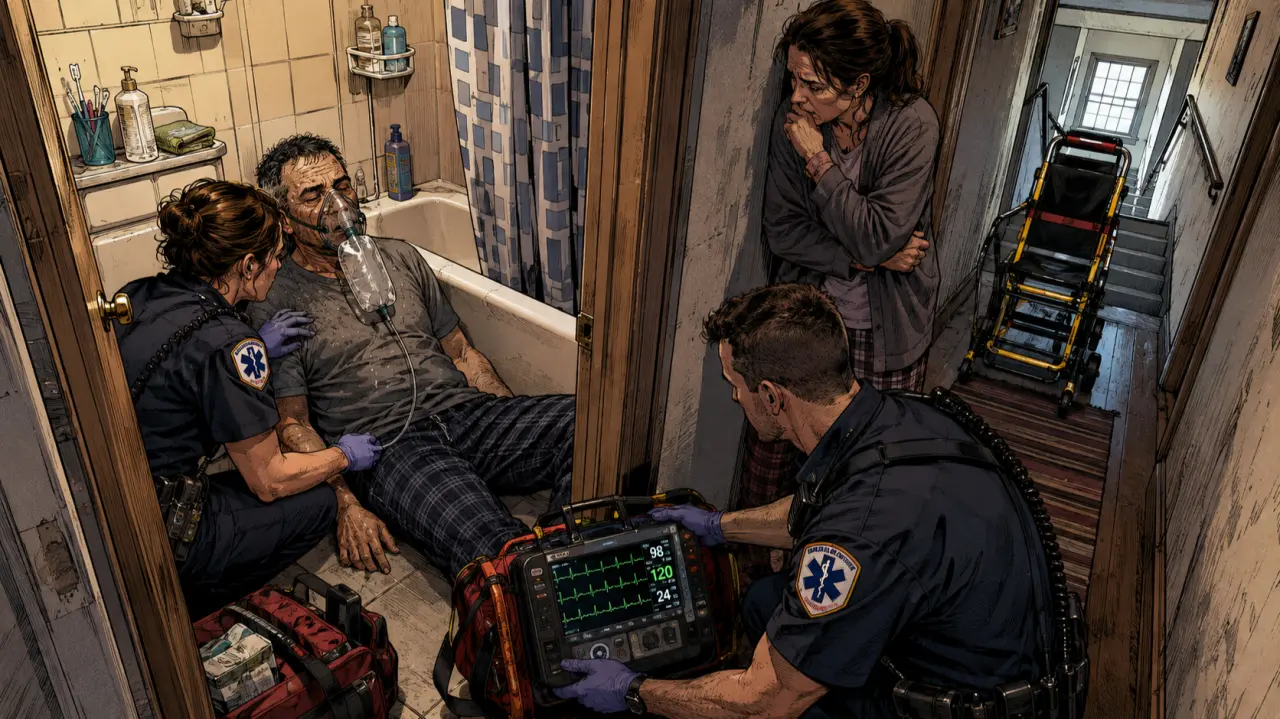
If half your brain is still trying to remember how to do the skill, you do not have enough left to figure out what the patient is doing. Make the basics boring.
Read the full article →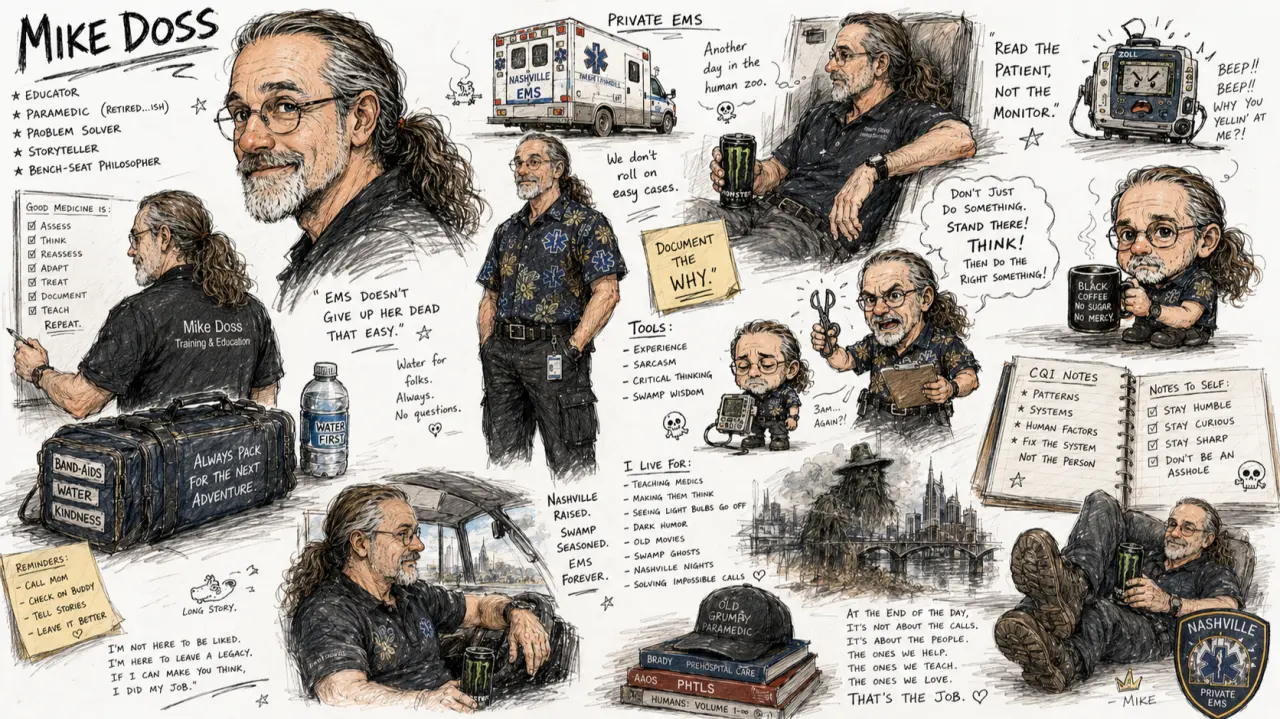
The want-ad got me into EMS. The calling is why I stayed—and staying came with an obligation to remain competent, teachable, and human.
Read the full article →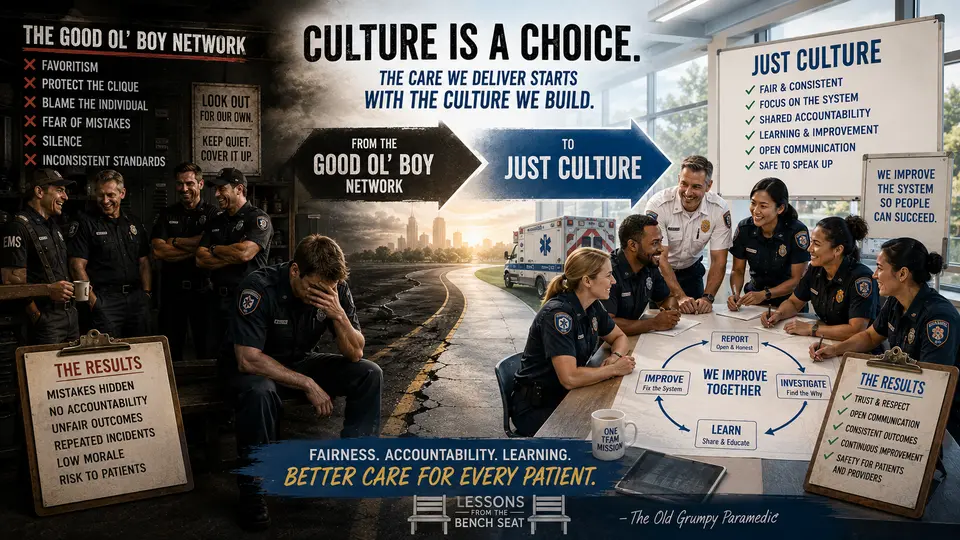
Fairness does not mean protecting everyone from consequences. It means asking what the system owns, what the individual owns, and applying the answer consistently.
Read the full article →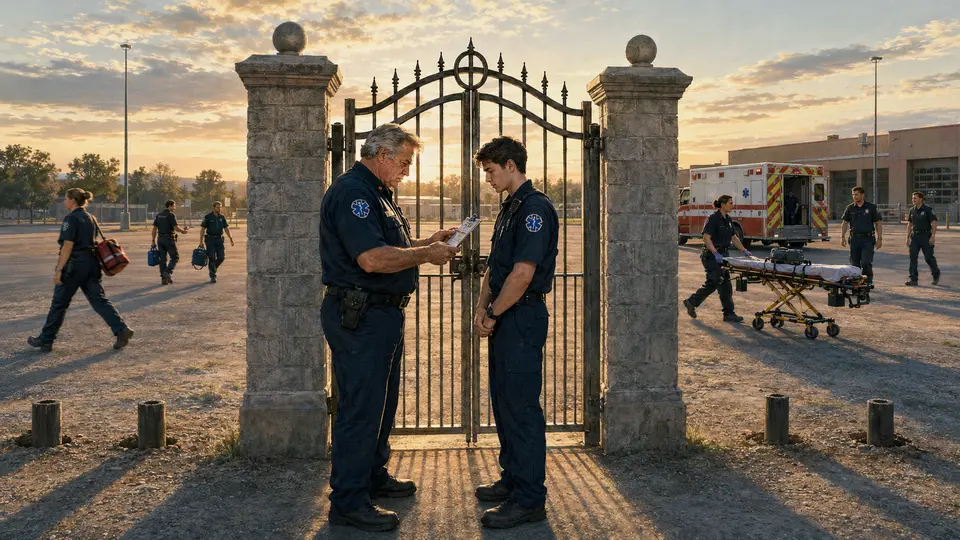
A real gate protects the patient. Gatekeeping protects the gatekeeper.
Read the full article →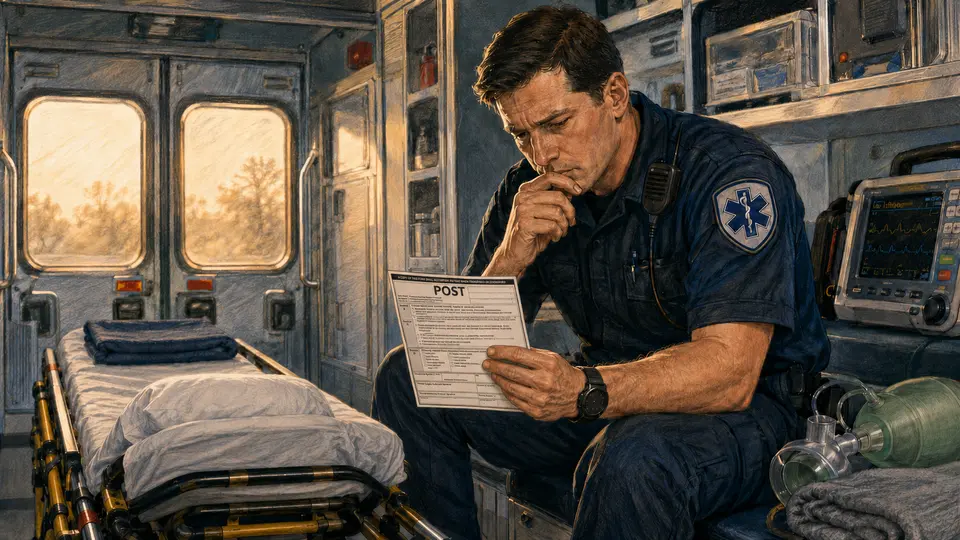
The form tells you what not to do to the body. It doesn’t tell you what to do for the family.
Read the full article →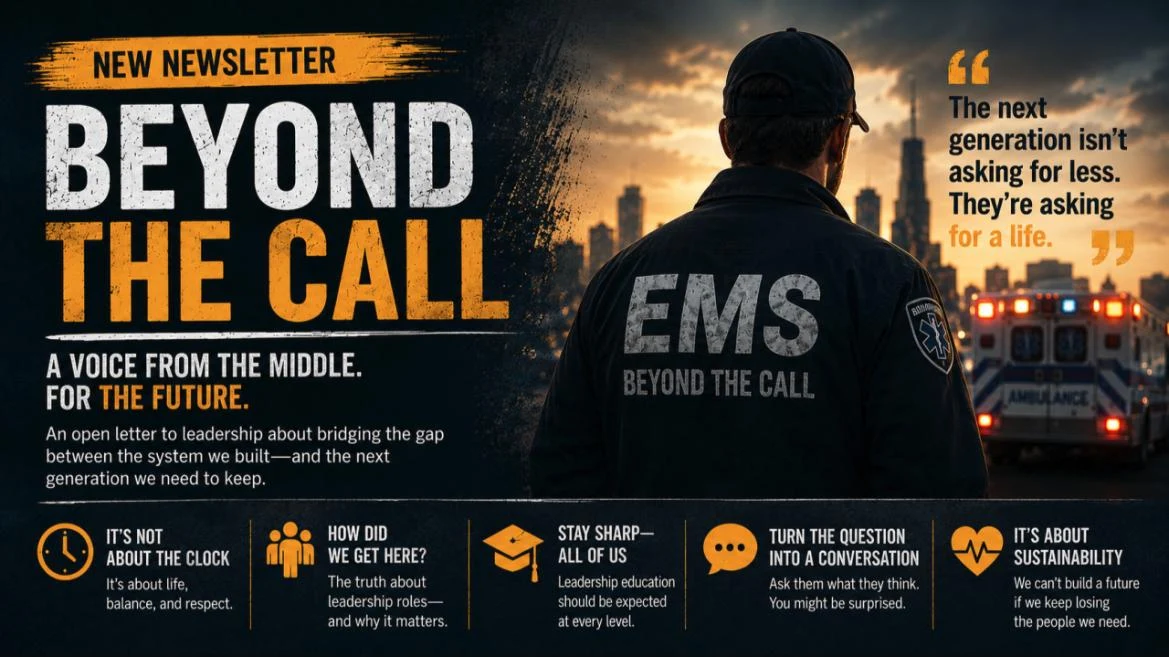
A new EMT asks a fair question and somebody laughs. That laugh is the whole retention problem, wearing a name tag.
Read the full article →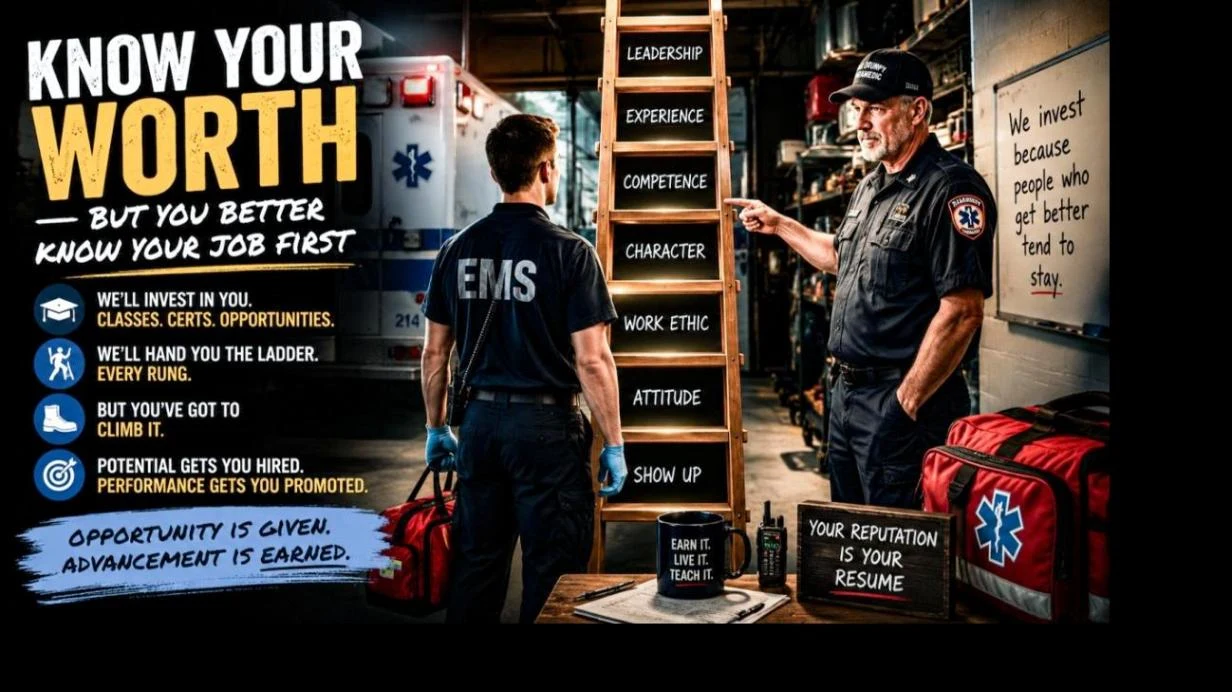
We’ll hand you the ladder, every rung. The climbing was always going to be yours.
Read the full article →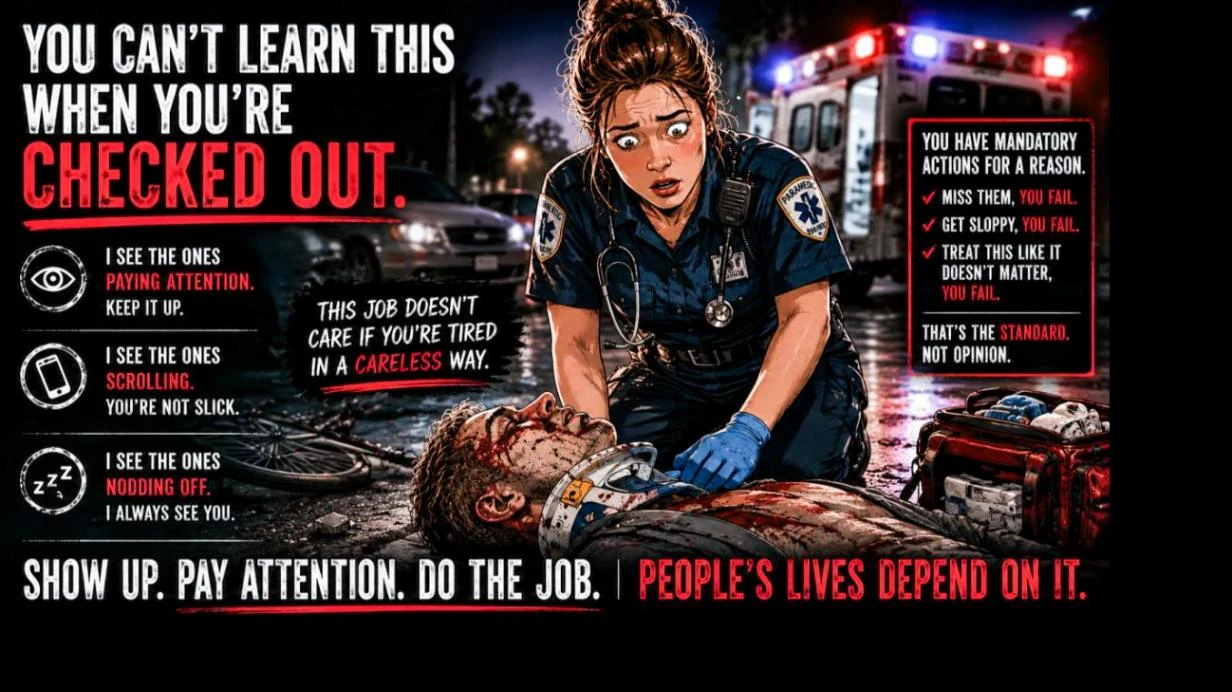
The streets don’t care what you know. They only care if you can actually do it.
Read the full article →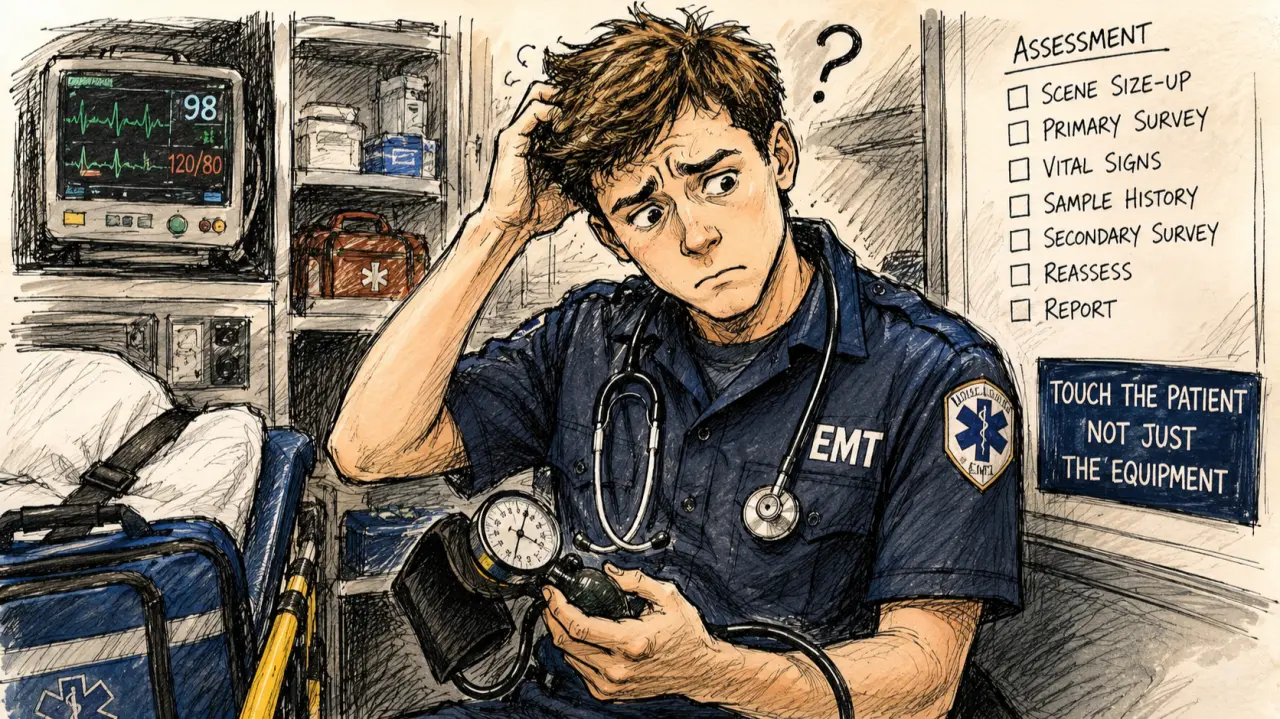
The machine may have the numbers, but it does not have clinical judgment. The monitor is a tool. The patient is the assessment.
Read the full article →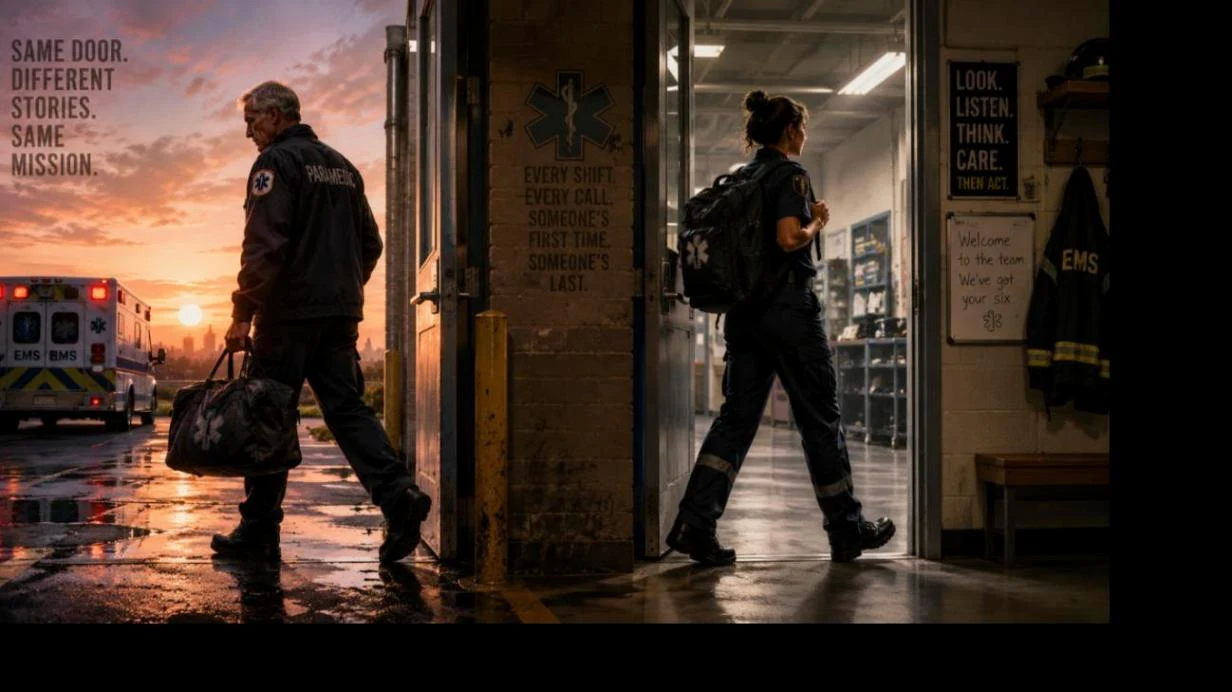
You can pay a paramedic forty dollars an hour. You cannot pay the PTSD to go away.
Read the full article →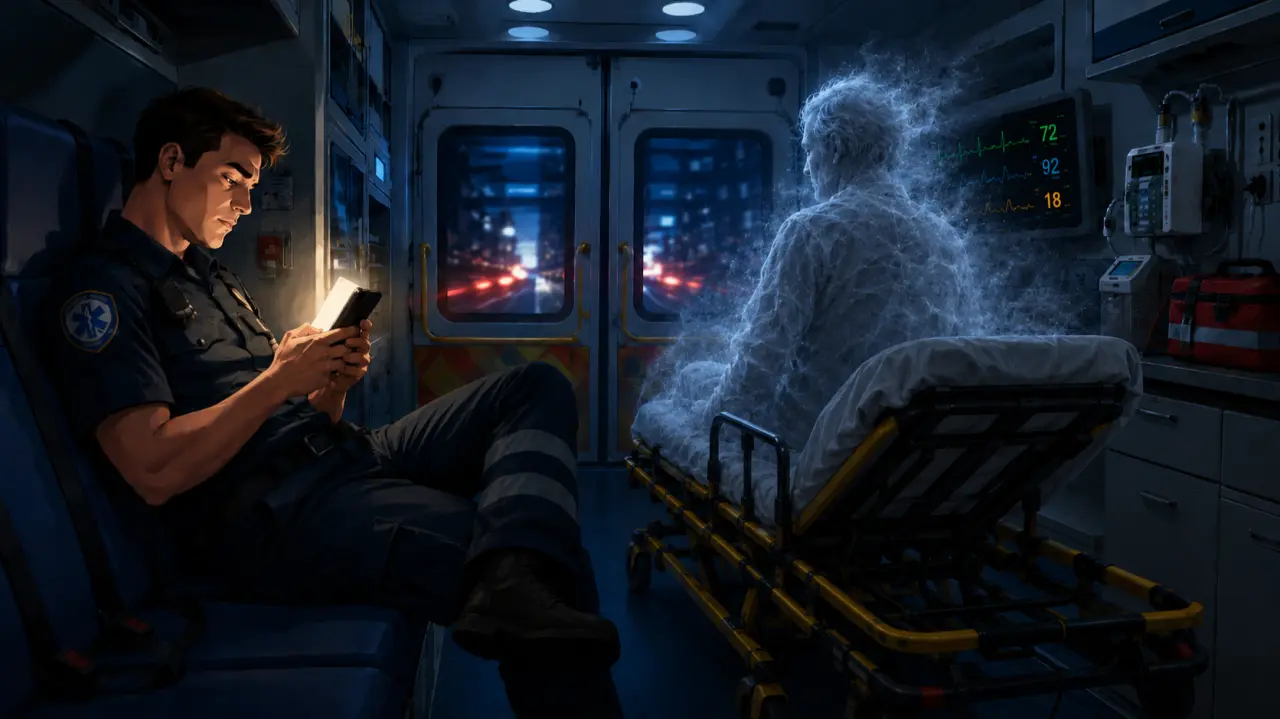
Your résumé does not ride in the back with the patient. Experience means nothing if ego convinces you that a “routine” transfer is beneath your attention.
Read the full article →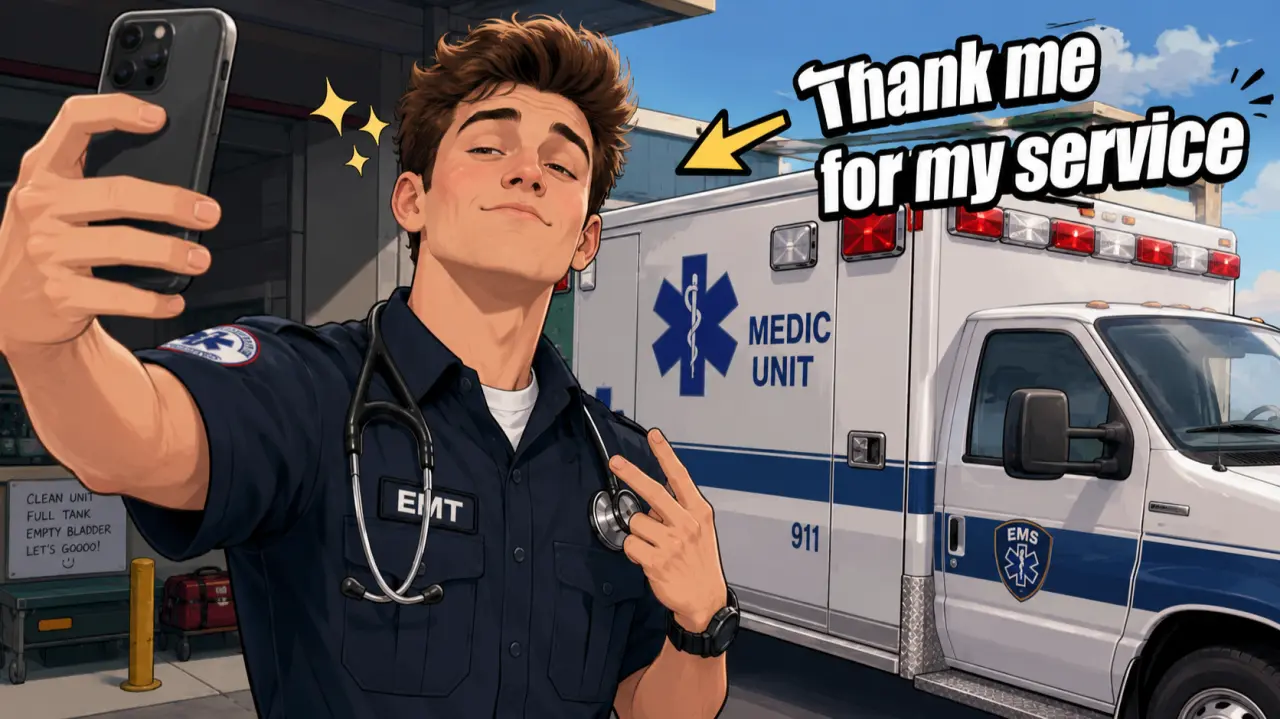
Everybody loves the lights, sirens, patch, and selfie—right up until EMS asks for service, competence, kindness, and actual work at 3:12 in the morning.
Read the full article →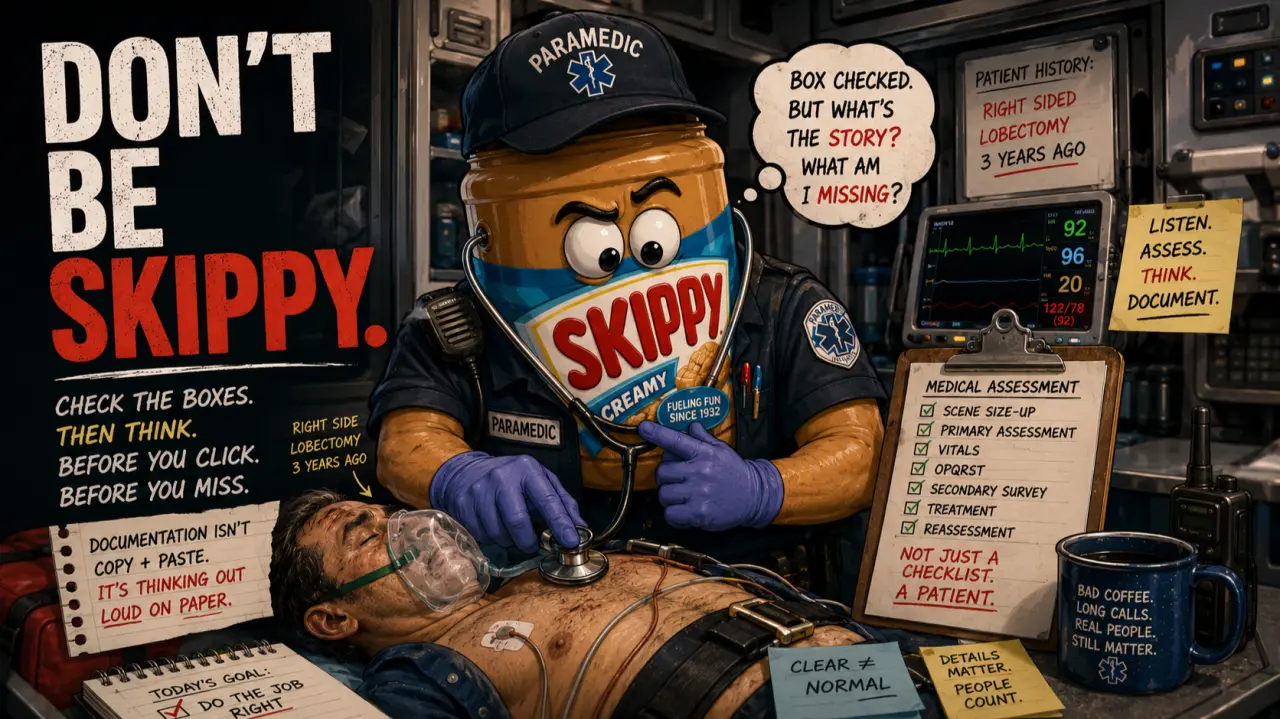
Copy and paste does not merely make the documentation lazy. It trains the clinician not to think—and Skippy’s “equal bilateral” lung sounds are about to prove it.
Read the full article →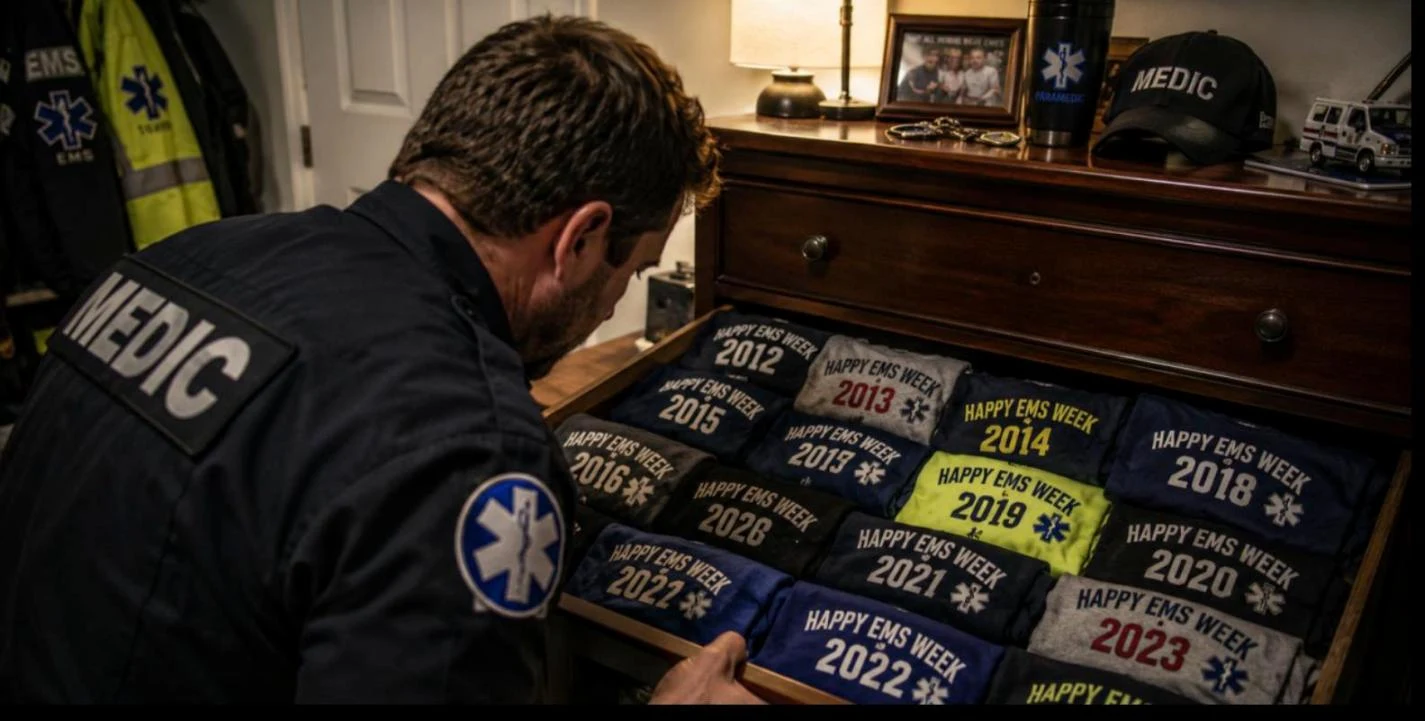
Skip the trophy. Skip the speech. If you want to say thank you to a medic on a twelve, start with a hot meal and ten quiet minutes.
Read the full article →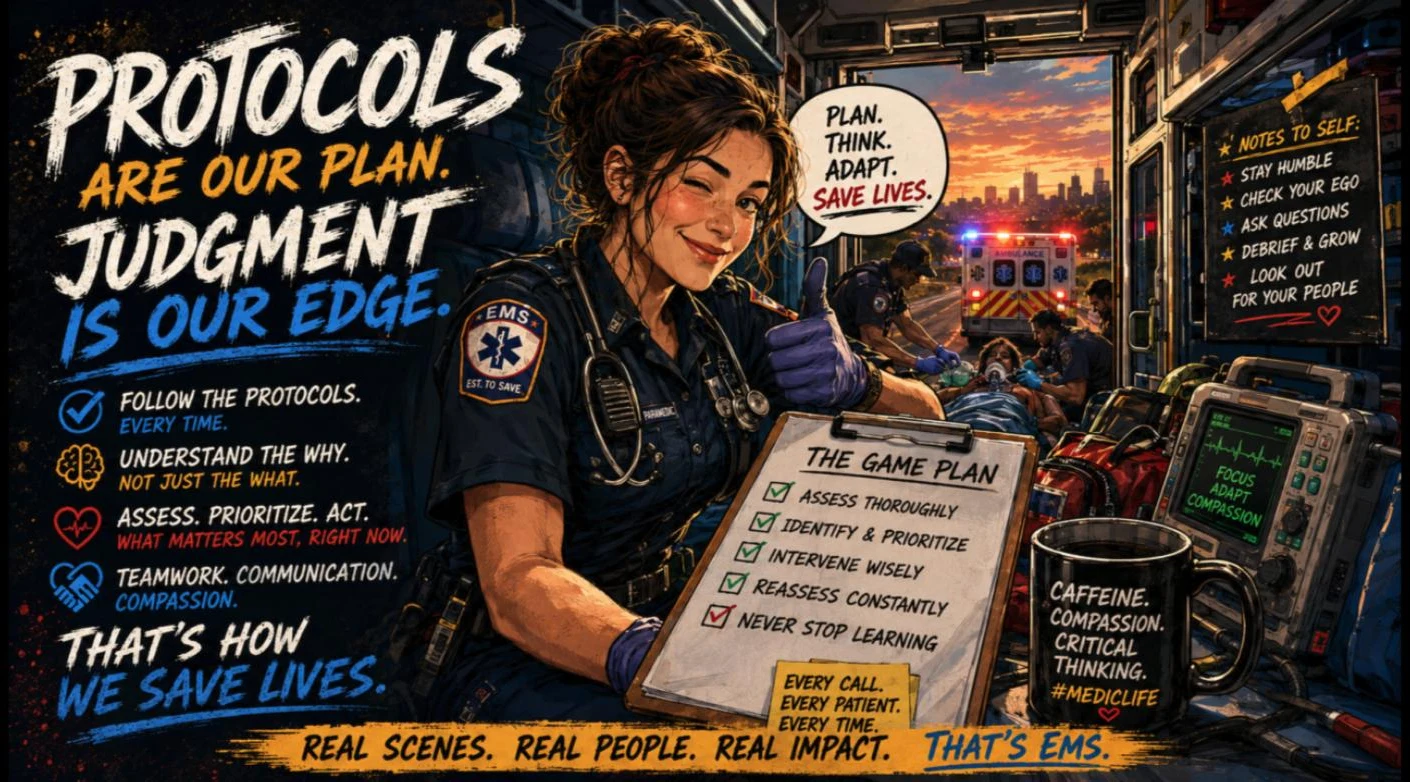
Following a protocol and understanding a protocol are not the same thing. Not even close.
Read the full article →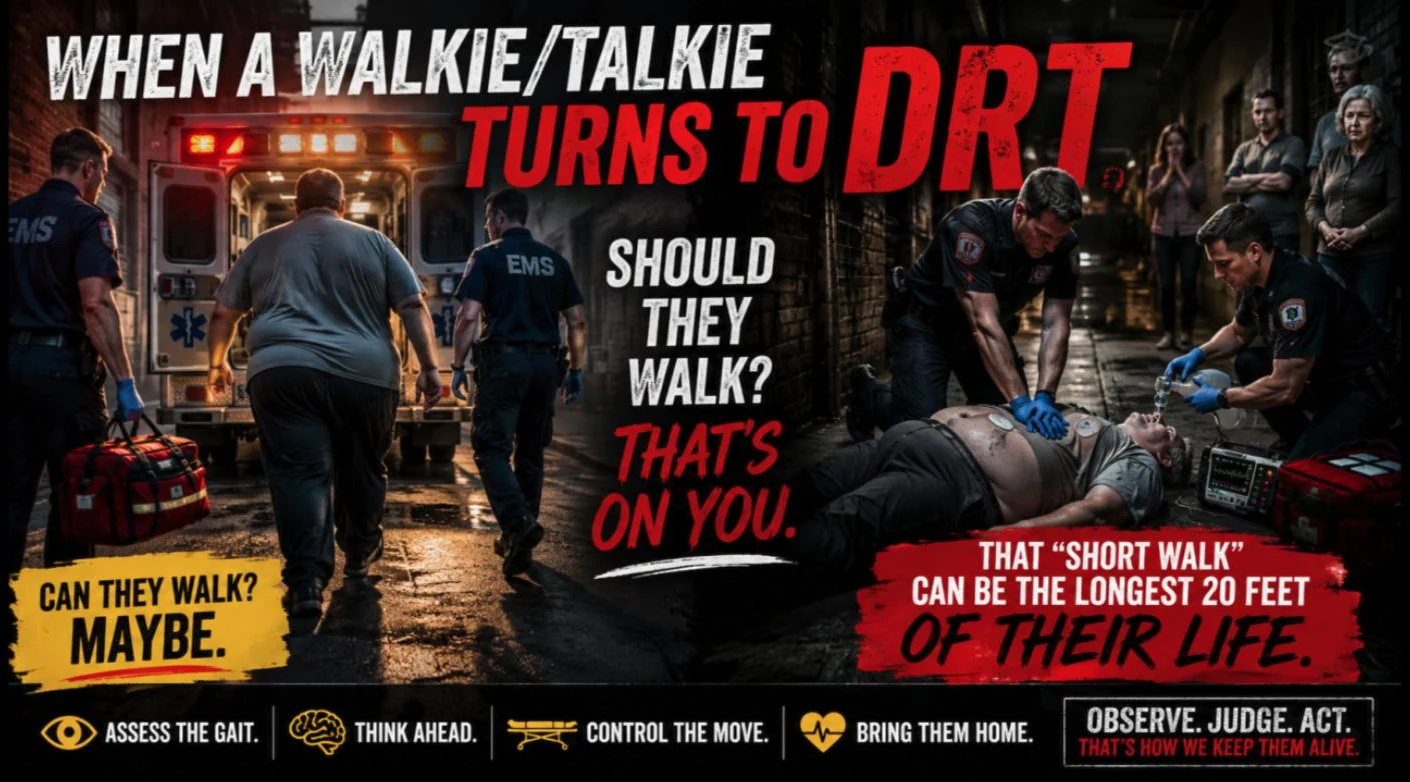
Patients lie. Not maliciously. But walking is a stress test, and the reaper doesn’t care about your turnaround times.
Read the full article →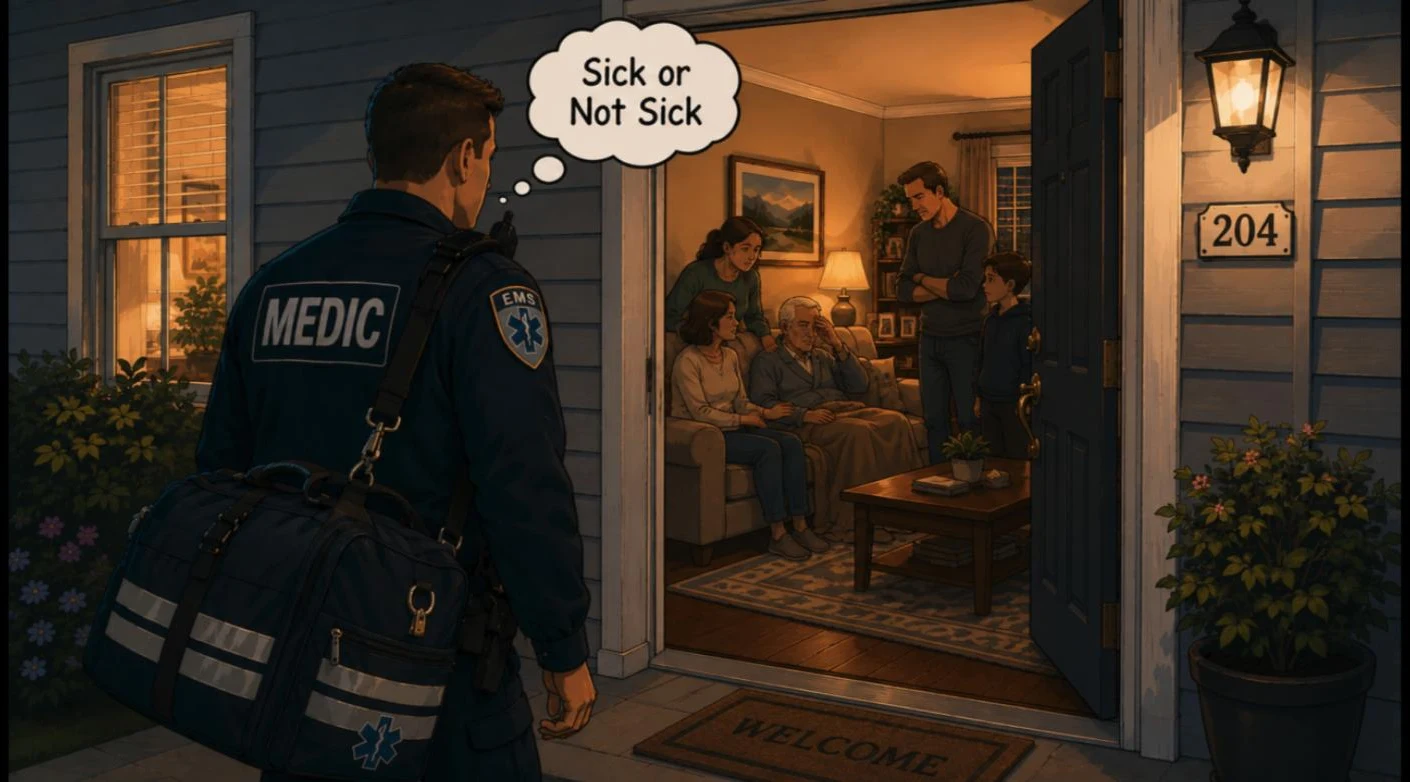
You’ve got fifteen seconds to decide. A framework for teaching the thing experienced providers already do — and calling it what it is.
Read the full article →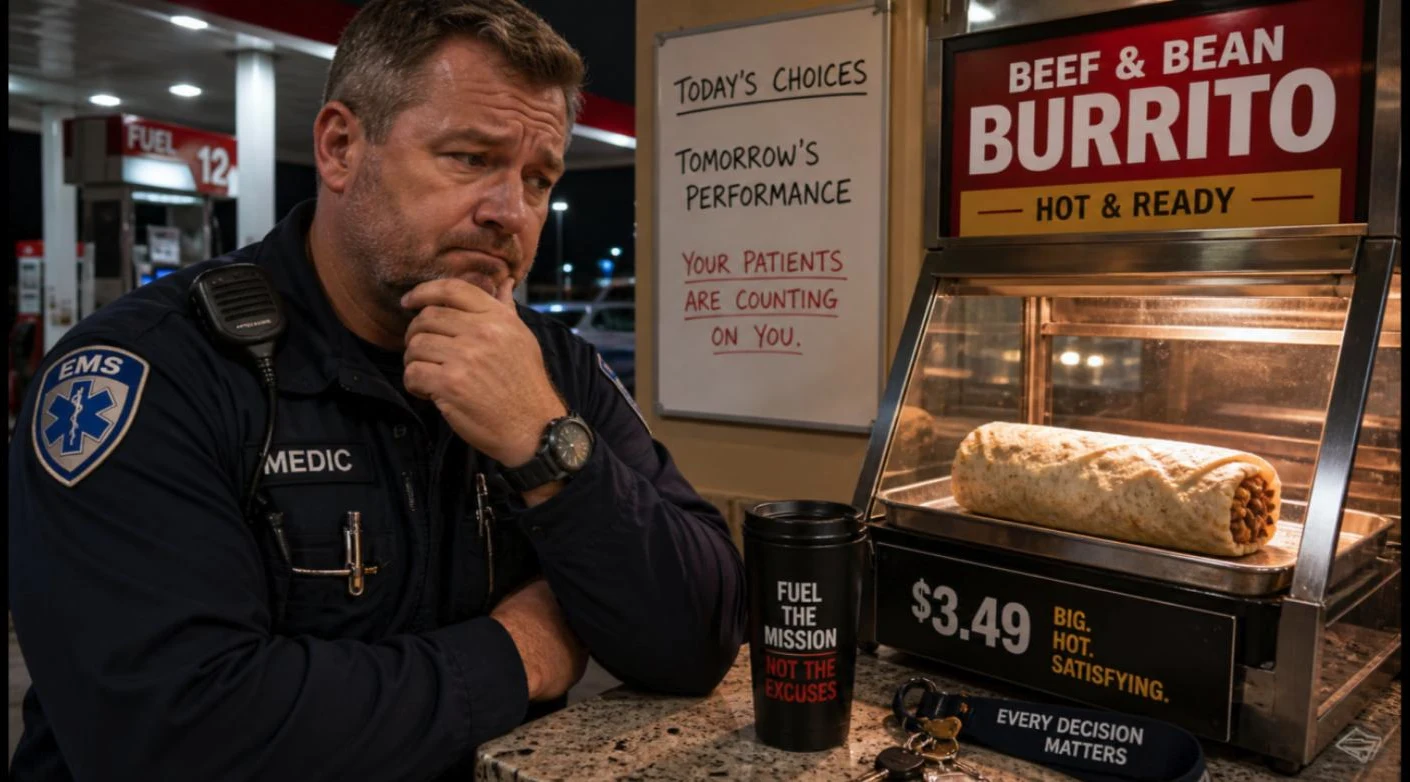
If you’re hauling 300 pounds and telling yourself you’re fine, you’re lying — to your crew, to your patient, and to yourself.
Read the full article →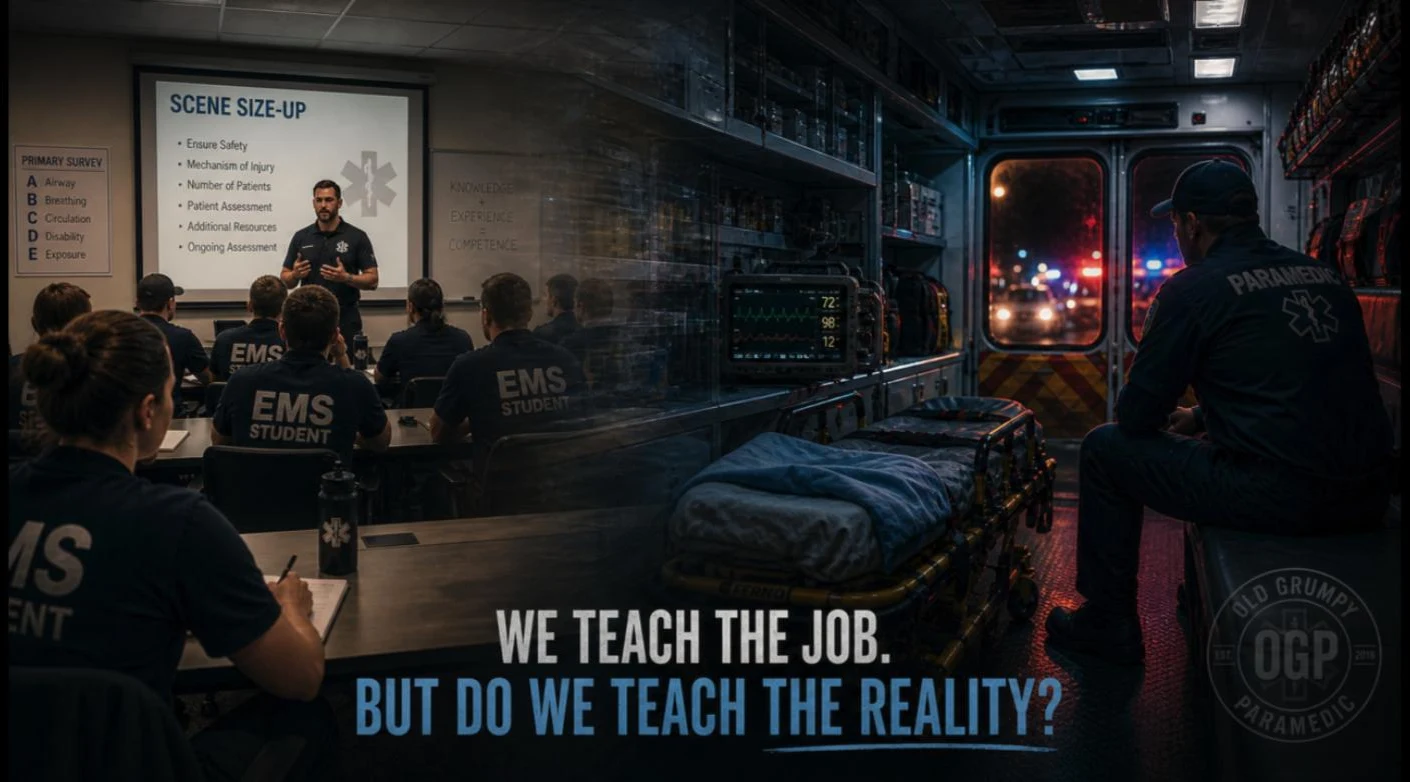
There are parts of this job you can only teach from memory, not from material. So… are you actually qualified to teach what you’re teaching?
Read the full article →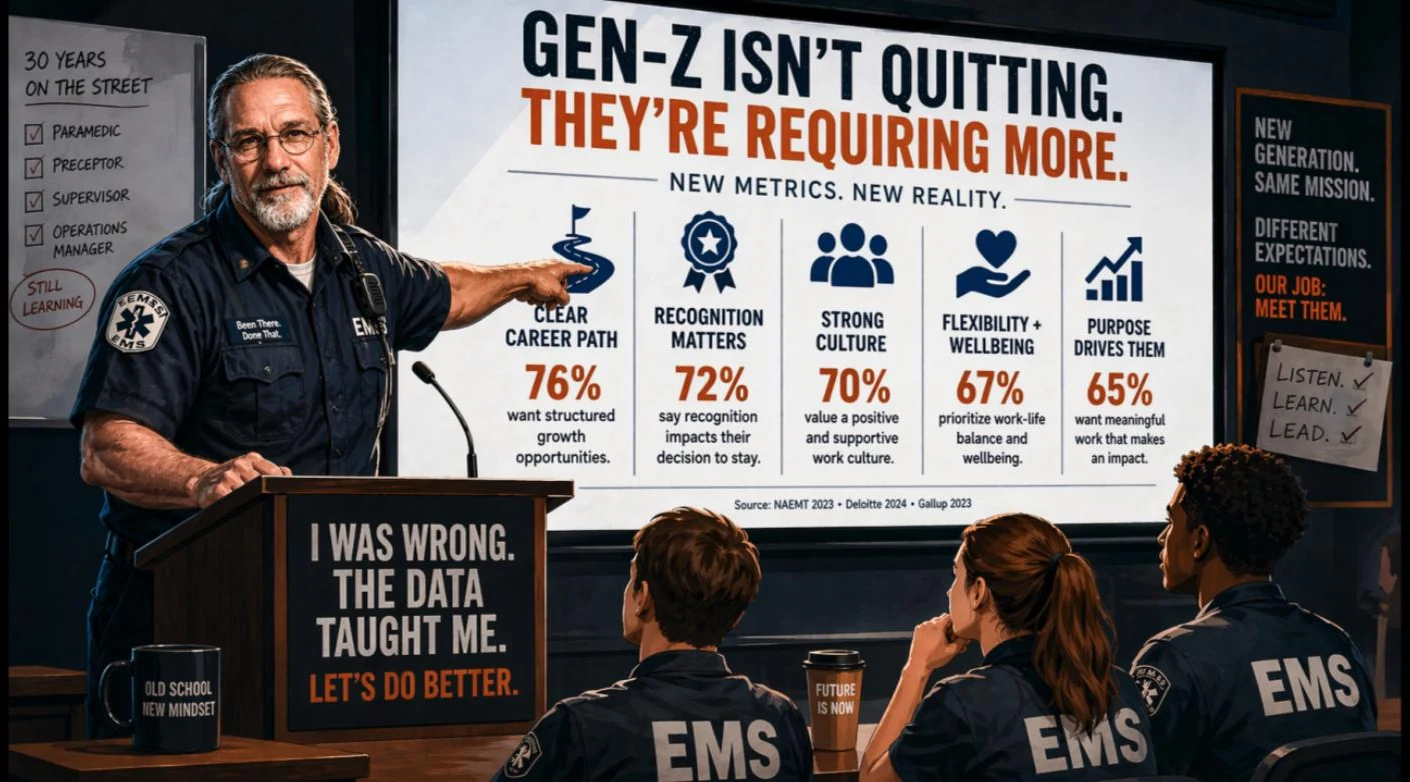
Running a workforce development program on what motivated me in 1994 is roughly as smart as running a cardiac arrest on the protocols from 1994.
Read the full article →
It’s not that you don’t know better. It’s that you’re getting comfortable being mediocre—and the quiet moments are training who shows up when it gets loud.
Read the full article →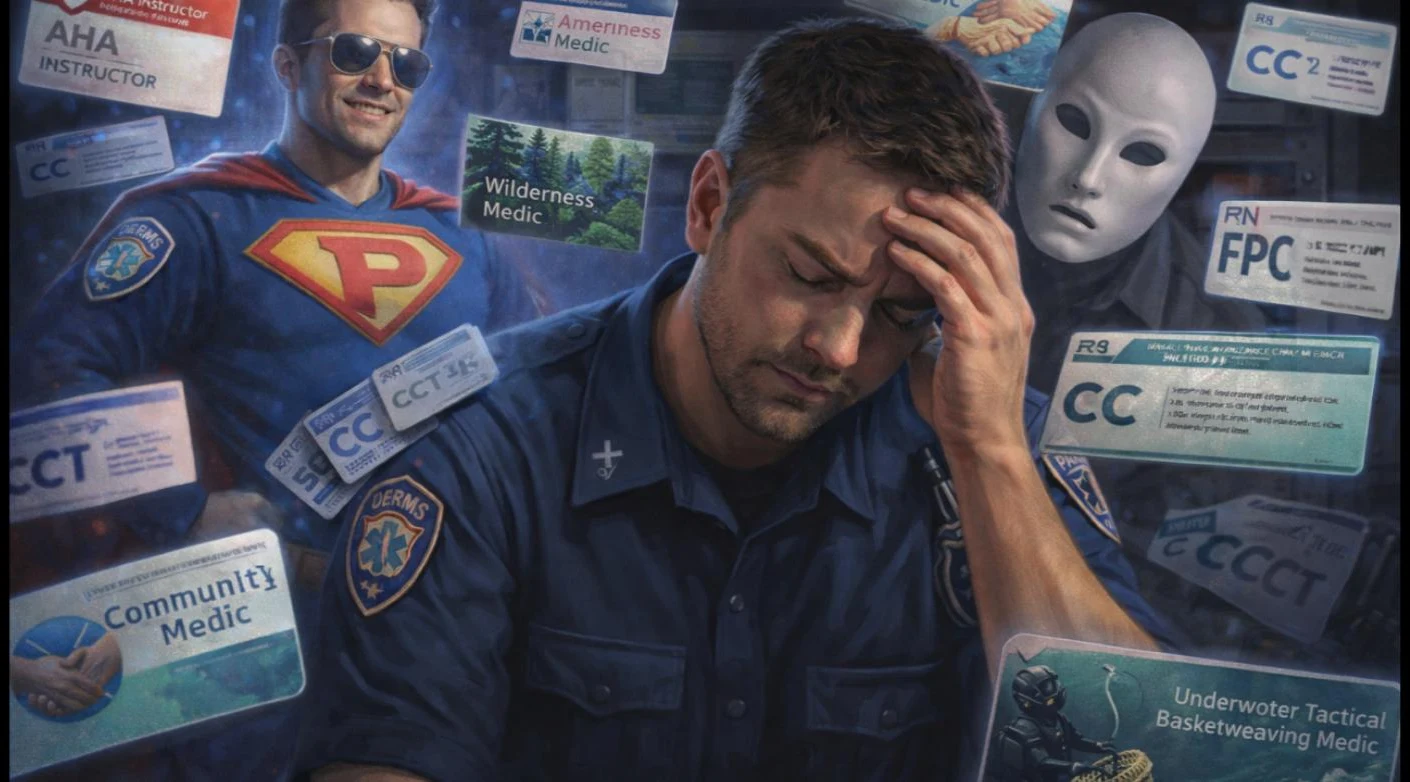
A certification is an invitation, not a destination. The most dangerous provider isn’t the one who knows too little.
Read the full article →
Clean notes can organize information. They cannot retrieve, reason, or treat your patient. If your brain didn’t do the work, it won’t show up when it counts.
Read the full article →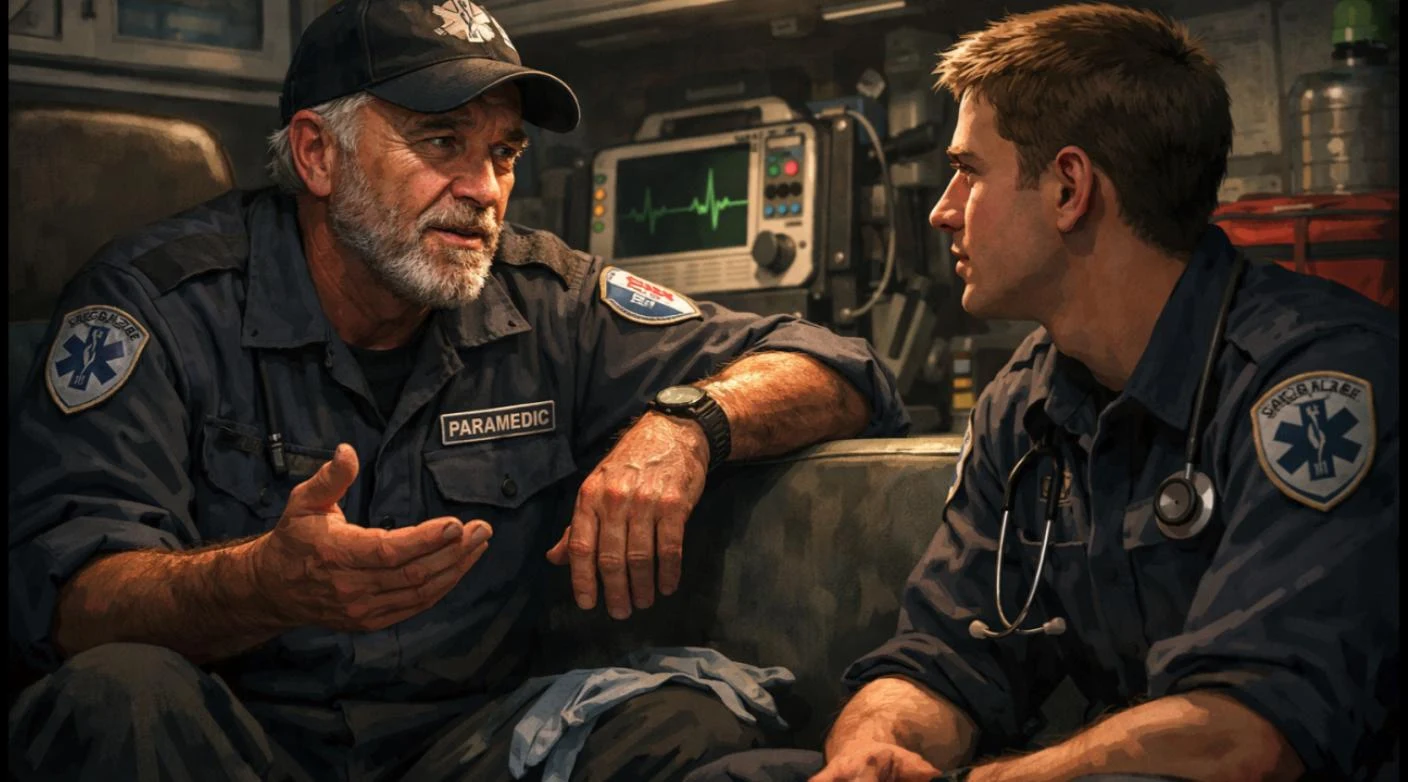
PTSD in EMS is real. But there’s a difference between breaking silence because you need help, and breaking silence because it plays well.
Read the full article →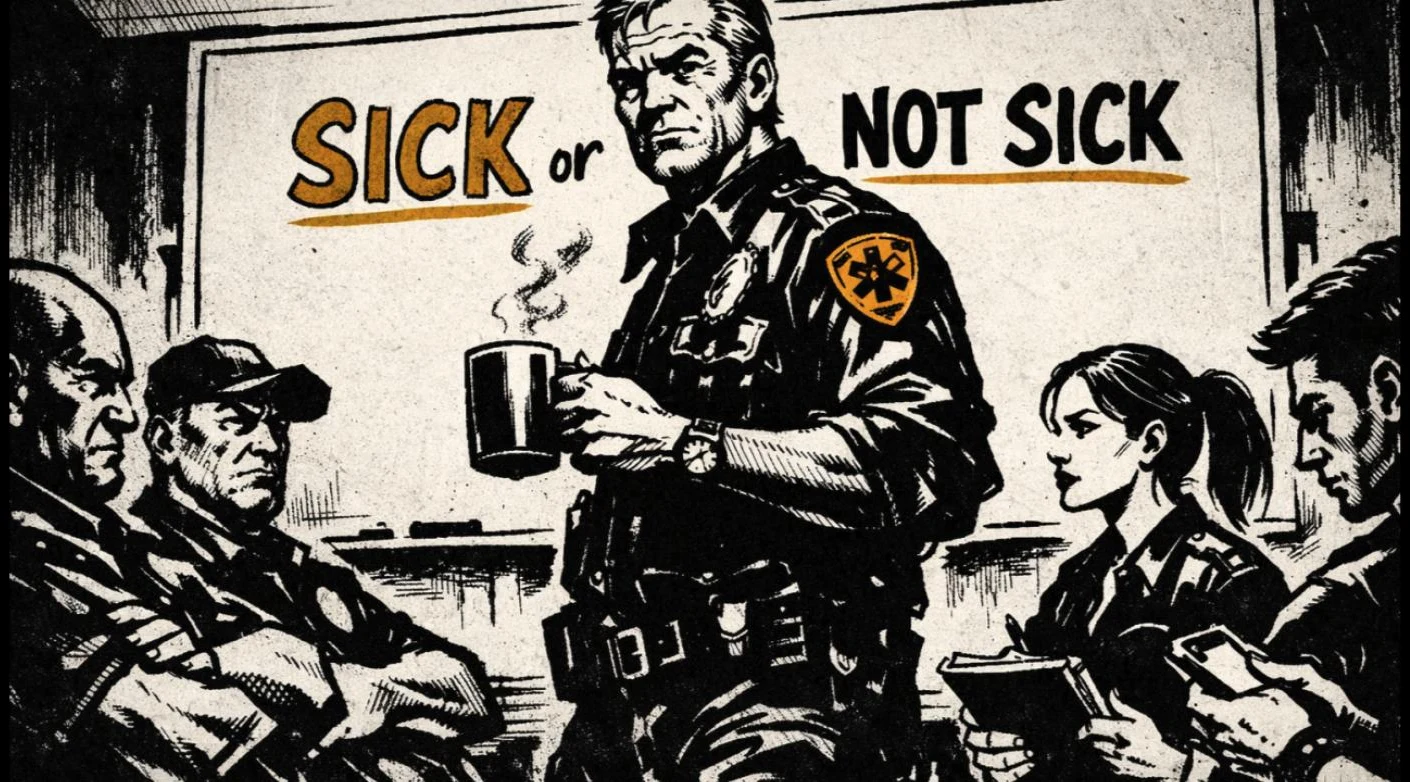
Two kinds of providers walk into my orientation class, and neither one wants to be there. Both of them are wrong about what IFT is for.
Read the full article →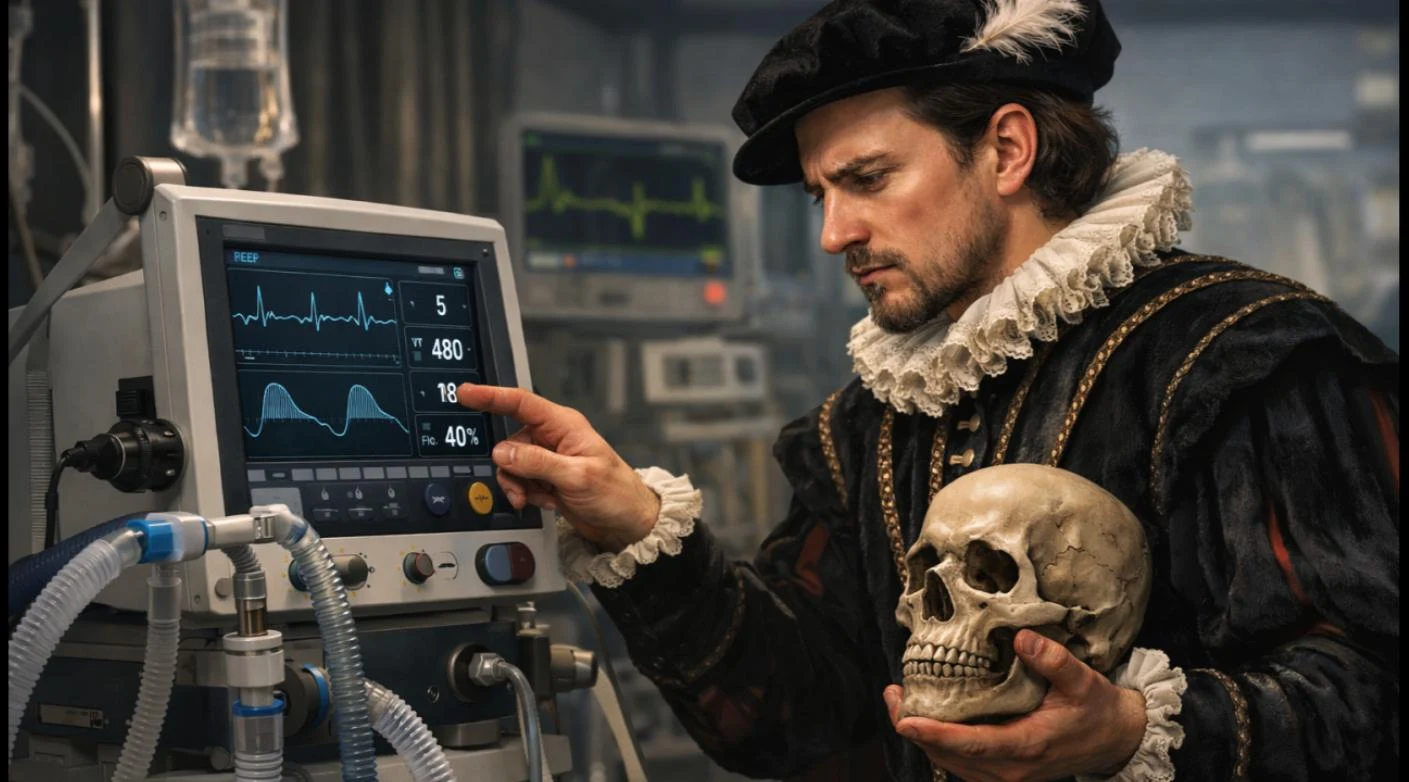
The ventilator can tell you something is wrong. It is still up to you to figure out what kind of wrong you are dealing with.
Read the full article →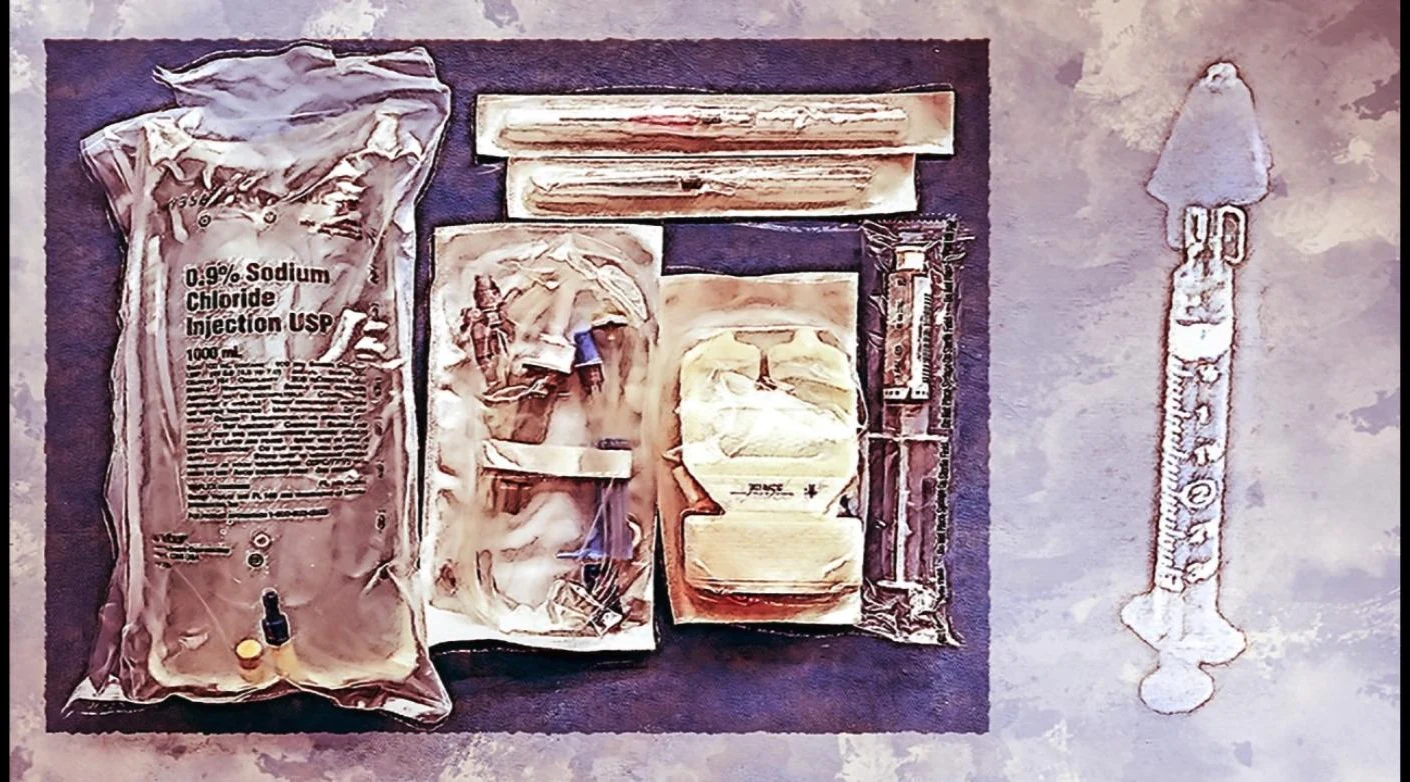
The patient doesn’t care which route wins a pharmacology quiz. The patient cares about when relief actually starts.
Read the full article →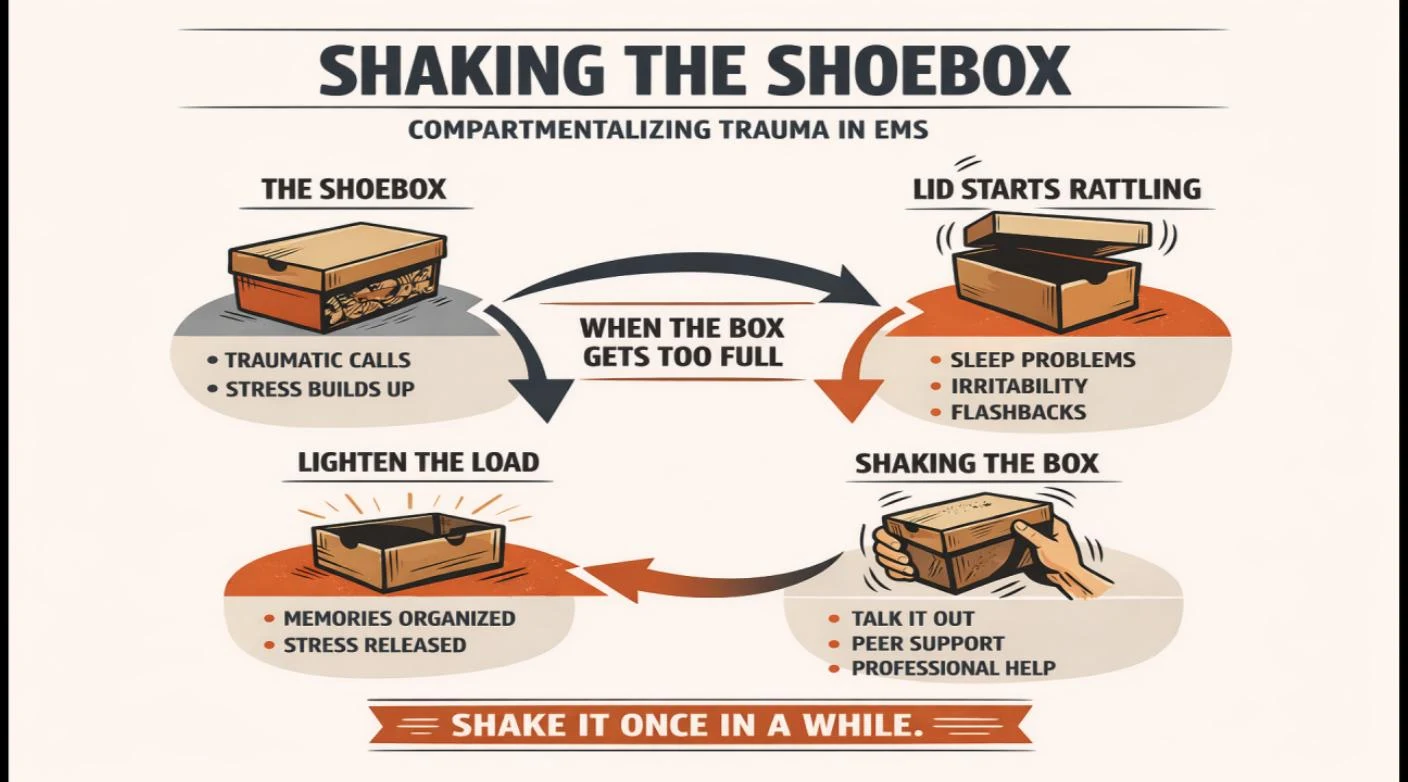
The job exposes people to difficult things, and those experiences do not simply disappear. Science is finally catching up.
Read the full article →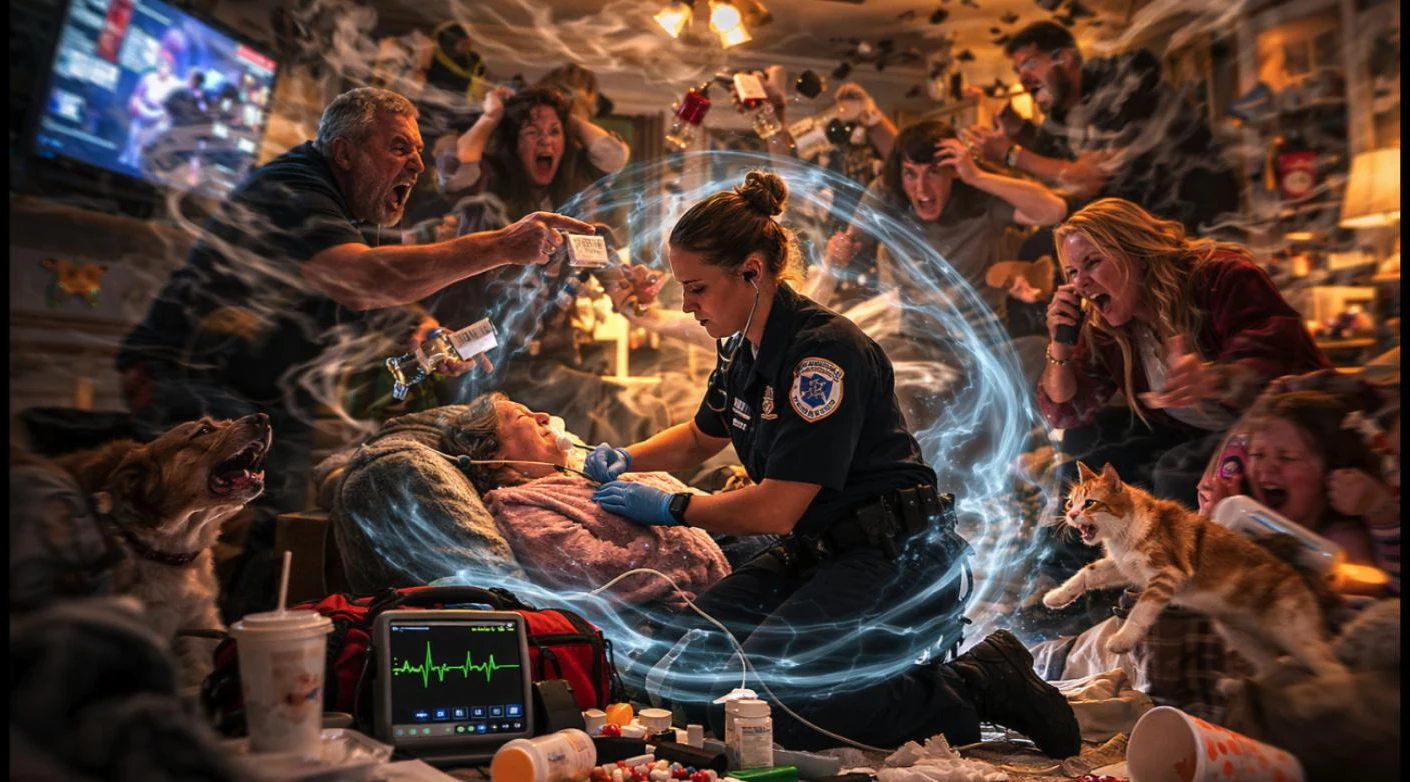
Panic is contagious. You don’t match the chaos on a scene, you control it.
Read the full article →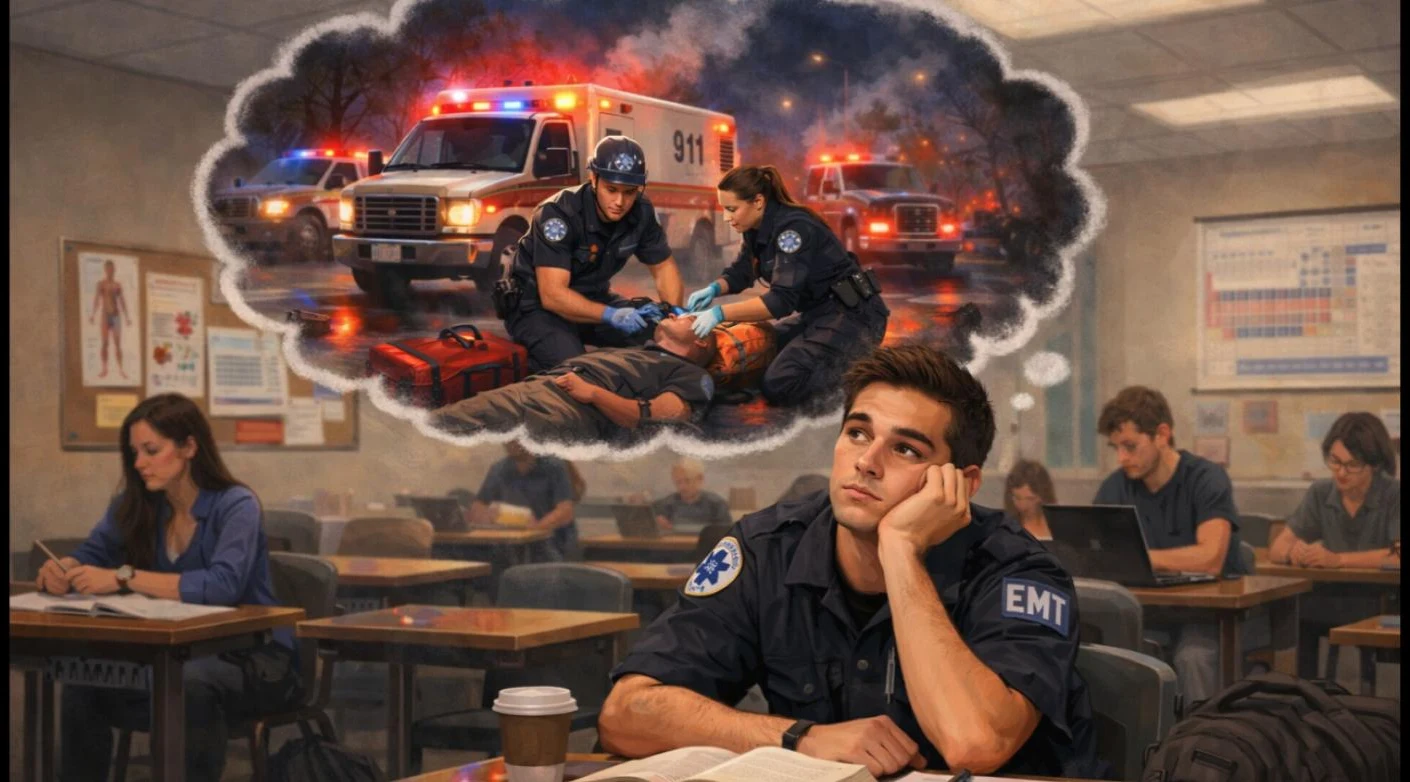
A degree doesn’t magically make you a better medic. The street does that. But it can still make you a more capable professional.
Read the full article →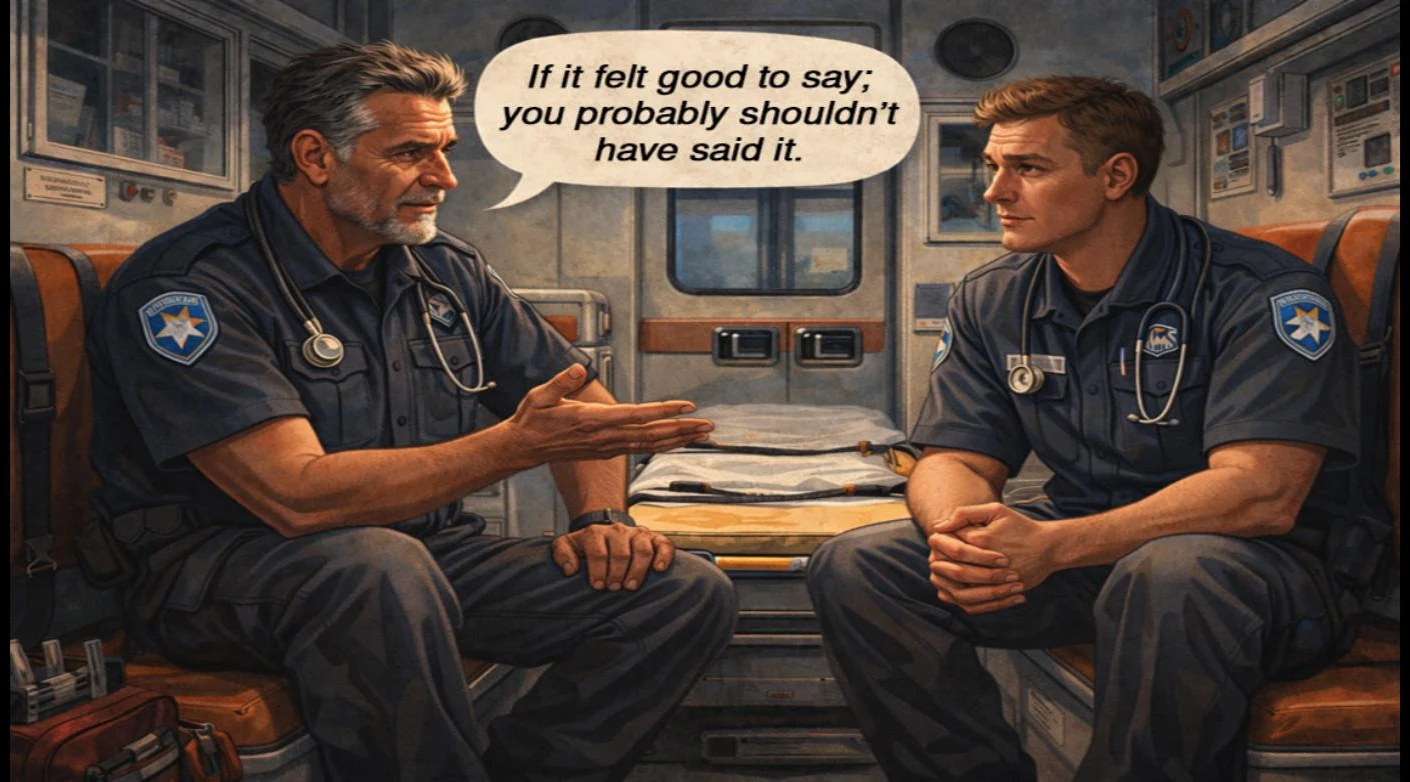
The patient isn’t meeting EMS. They’re meeting you. Mike Doss on bedside manner, controlling a scene without being a prick, and why you can be salty but you can’t be cruel.
Read the full article →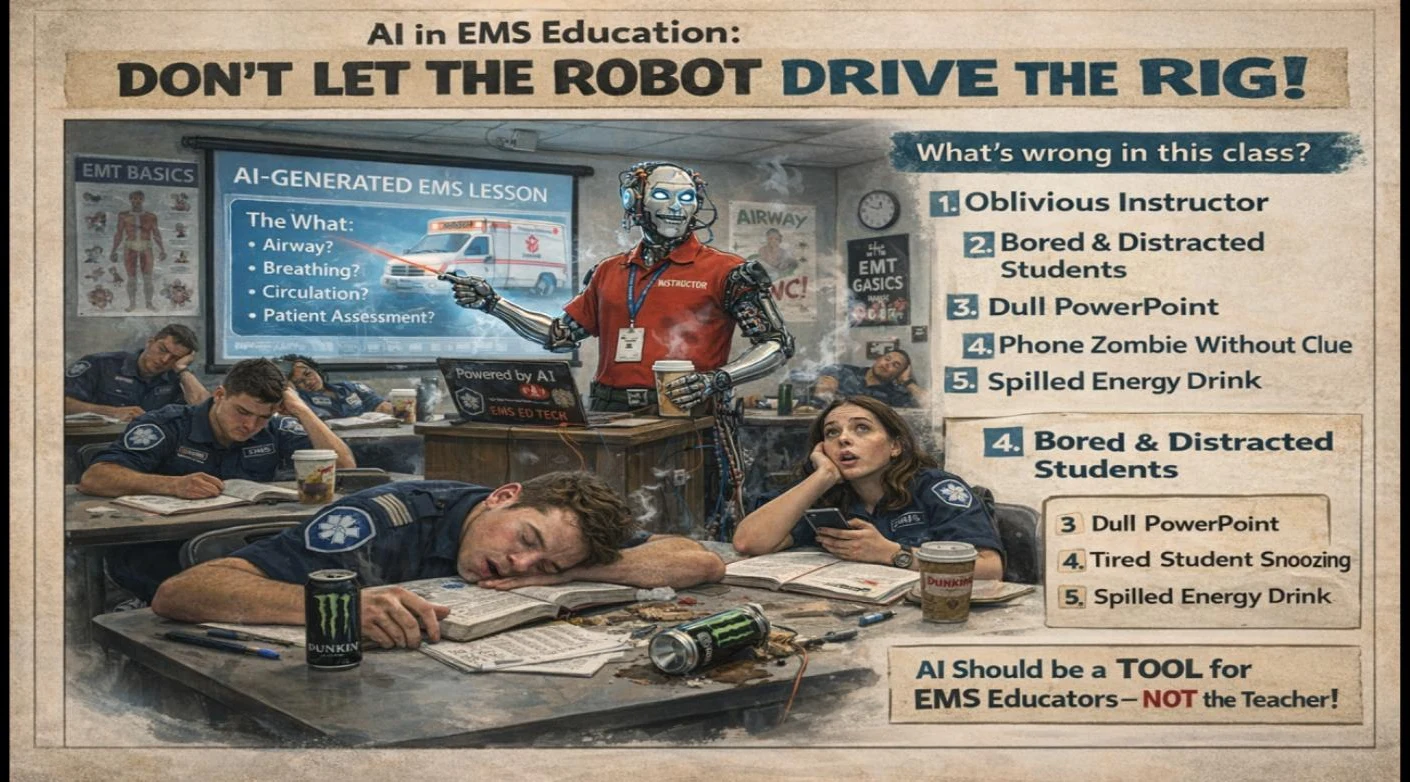
AI can hand new instructors quiz banks and scenario variations. It can’t read a room, call an audible, or teach judgment. Mike Doss on why AI is a tool for EMS educators, not a replacement for one.
Read the full article →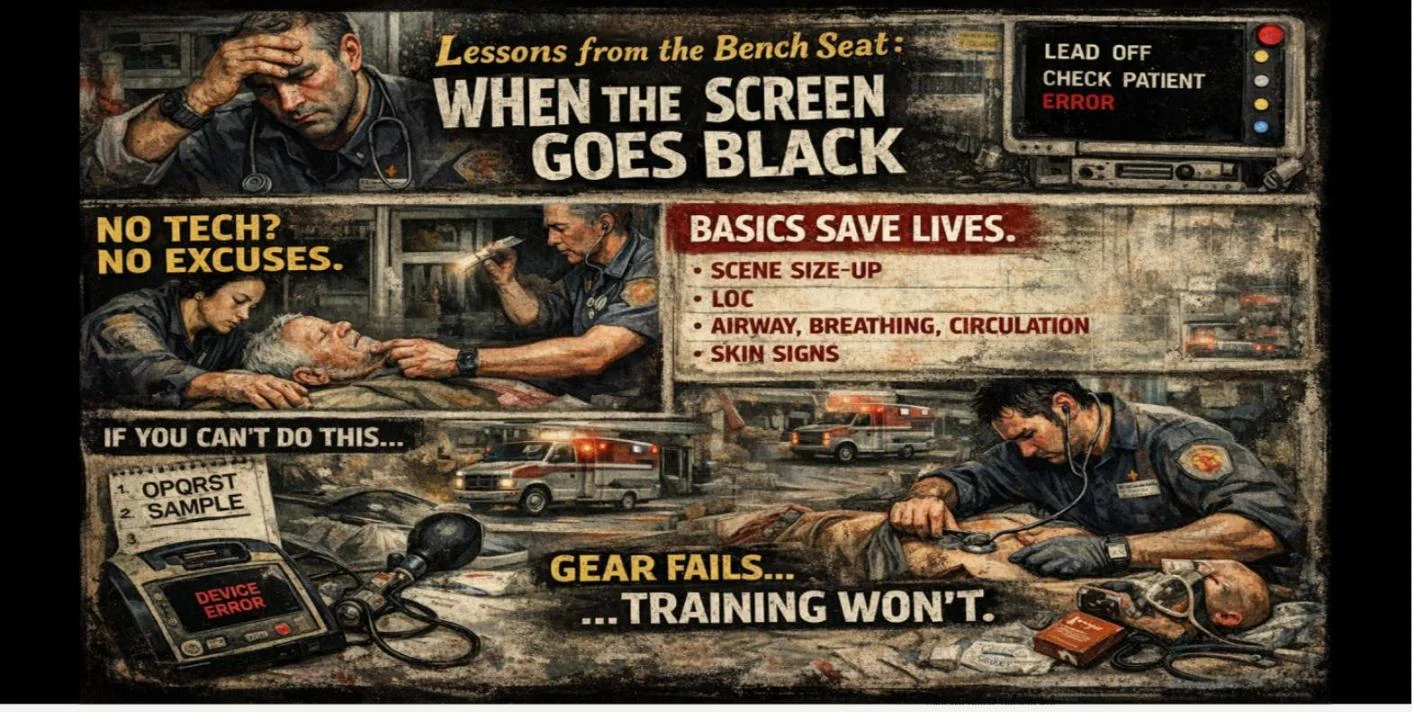
The monitor throws LEAD OFF at 02:17 and your patient is still sweaty, pale, and scared. Mike Doss on the assessment that never needs batteries, and why the foundation is what saves you when the toys quit.
Read the full article →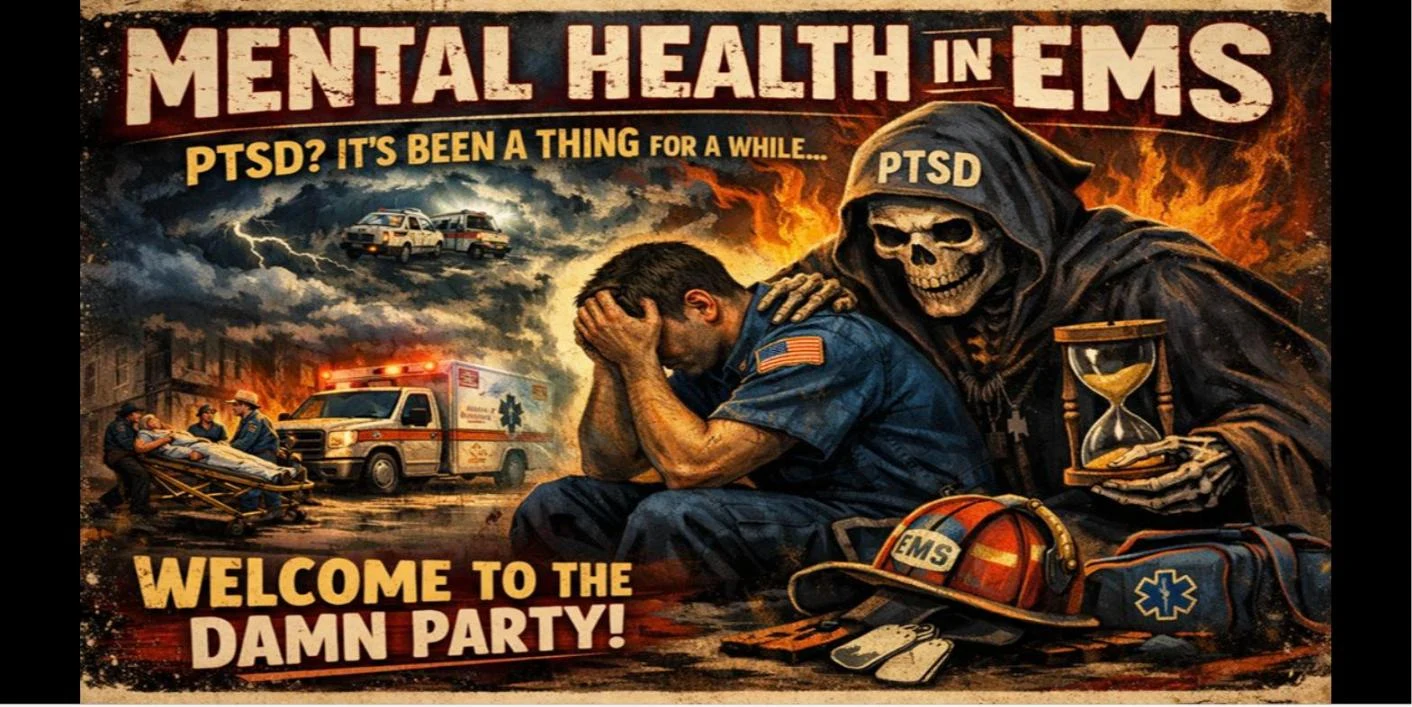
They didn’t discover trauma. They discovered the bill. Mike Doss on the mental-health bandwagon, mental-health cosplay, and the non-negotiables real peer support needs.
Read the full article →